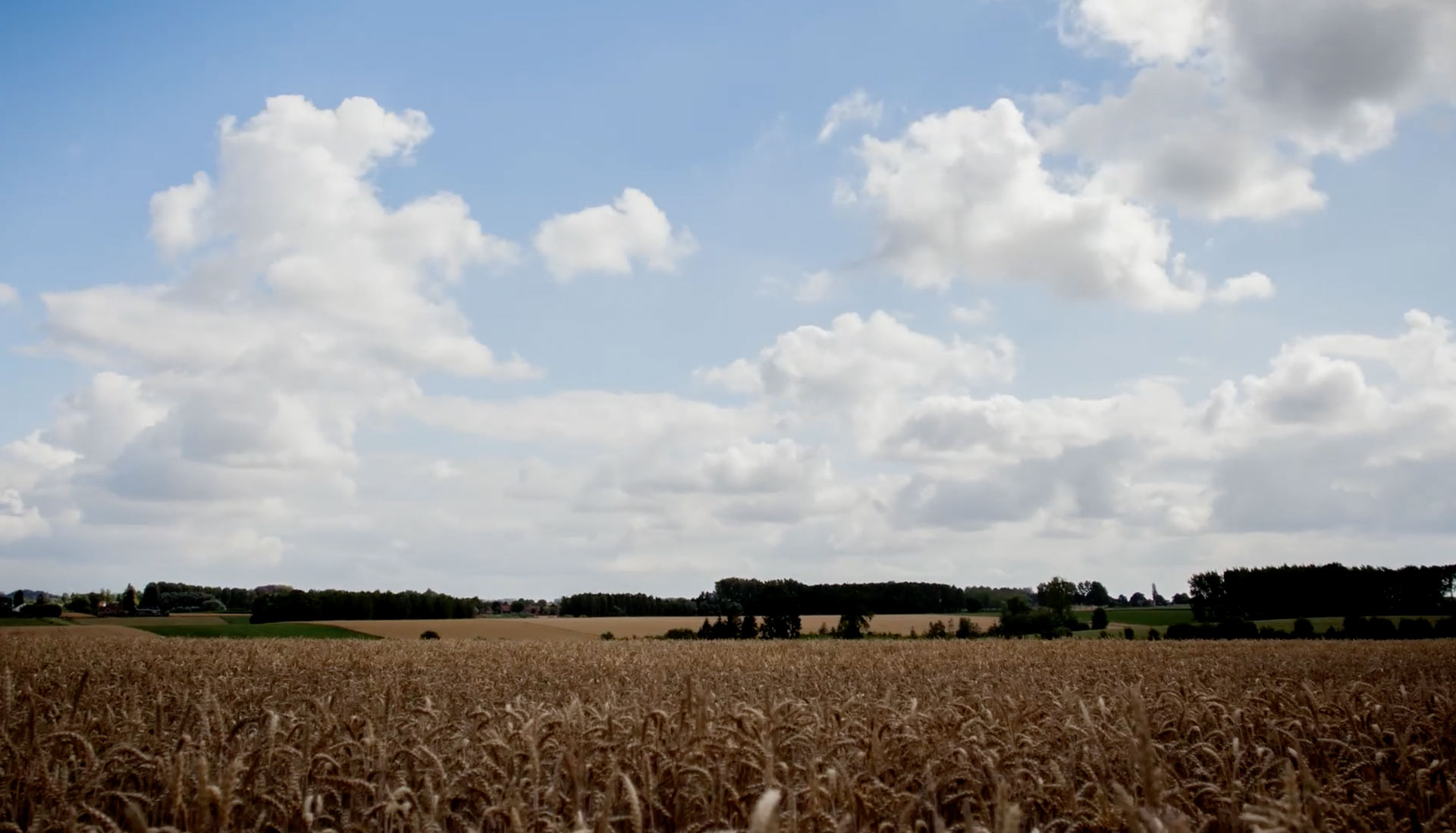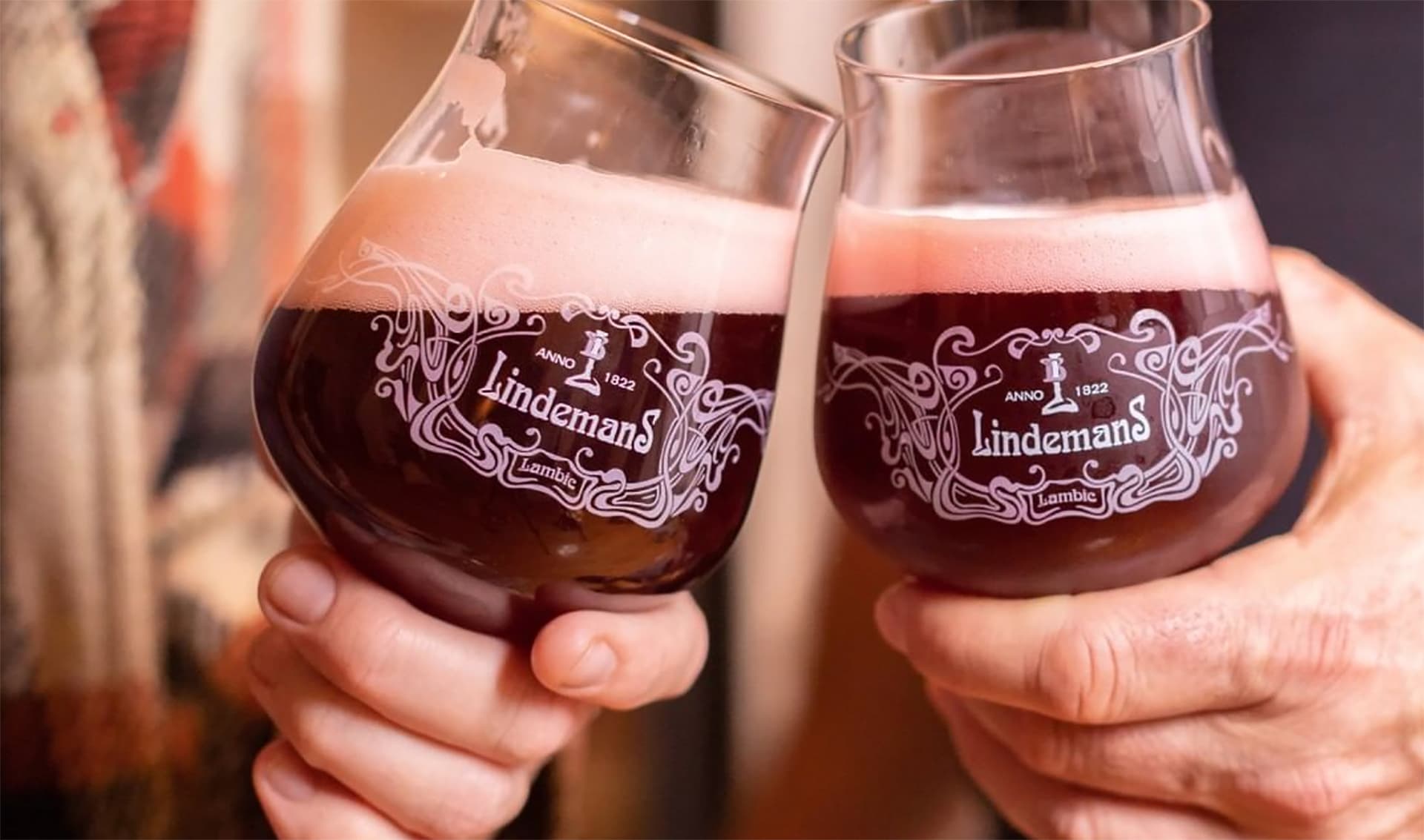



Southwest of Brussels, in the quiet Belgian town
of Vlezenbeek, the Lindemans family has been farming and homebrewing as long as anyone can
remember. Commercial brewing started in 1811 in their barn-like brewery.
Lambic, or spontaneously fermented beers,
are among the worlds rarest. Produced more like a methode champenoise champagne,
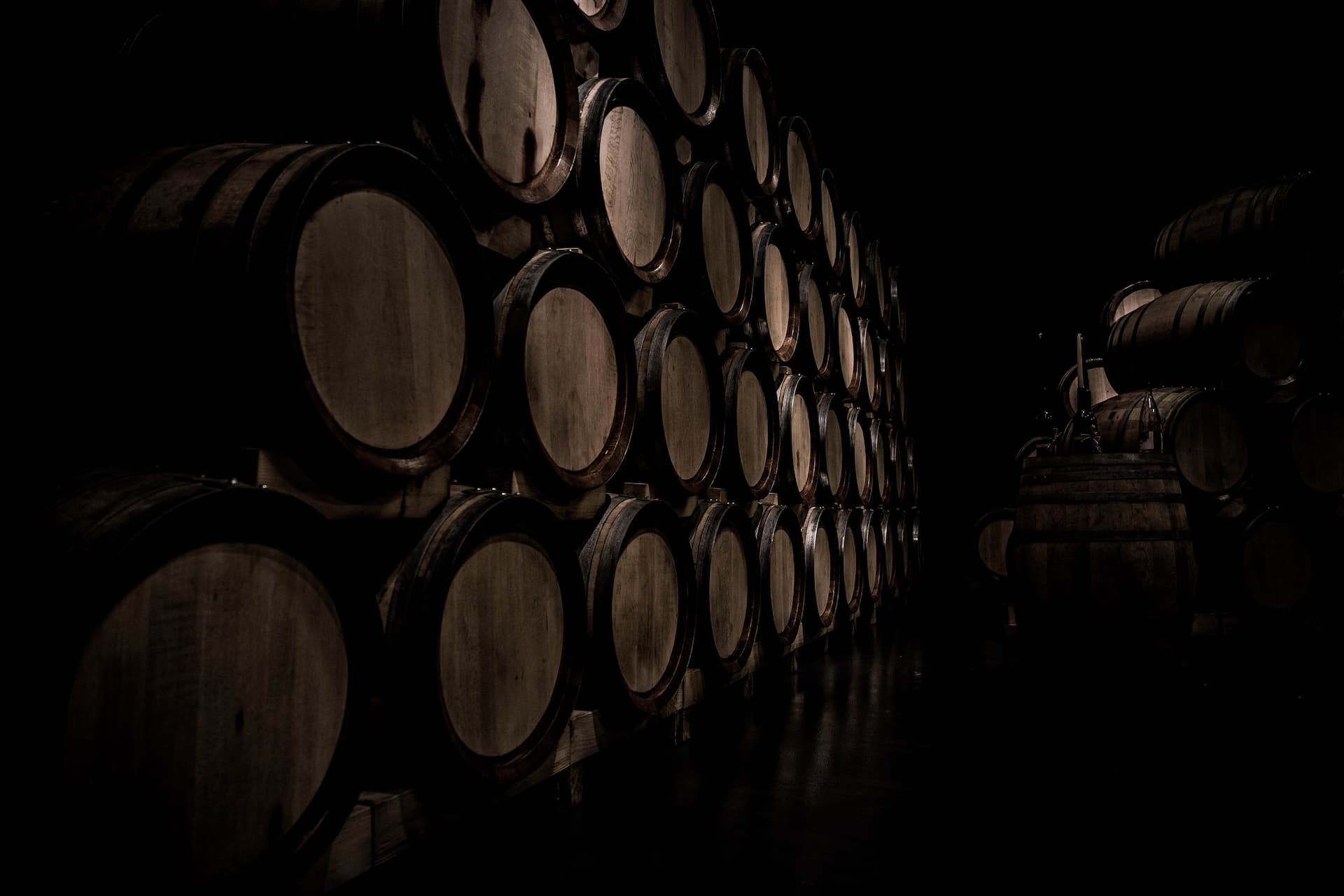
than a typical beer, these products mature in oak for nearly two years prior to release.
Merchant du Vin introduced Lindemans
lambics to the United States in 1979, making them the first lambics marketed in U. S.
history. To this day, they remain both the best selling and most widely honored brand in
the category; including being named "One of the Top Ten Breweries in the World"
for four consecutive years.
Spontaneous
Fermentation
Lambic Simplified
The romantic, mysterious,
wild-fermented wheat beers of Belgiums Flanders are among the worlds rarest
beers. The unique natural combination of the Senne River valley; small hills with numerous
cherry trees; small farms growing hops, barley and wheat; and wooden kegs with
fermentation liquids, has given the region an air-disseminated microflora that has seeded
farm breweries for more than 500 years.
The mashing process is
very much the same as with other styles, except for the unique addition of 30 percent
unmalted wheat to the malted barley. Whereas most brewers use the freshest hops during the
boil, lambic brewers use aged hops to contribute preservative properties without the
bitterness of the herb (this protection is important to the final product, since it is
such a long process from start to finish). Singularly, in the world of brewing, no yeast
is added to this beer. After the boil, lambic wort is transferred into a coolship (a
large, shallow, copper vessel) that exposes the hot wort to the cool fresh air and wild
yeast! The fermenting rooms are dark and filled with cobwebs and brewers dare not clean
their brewing cellars for fear of losing the natural yeasts.
The beer is top-fermented
by the wild yeast strains Brettanomyces bruxellensis and Brettanomyces lambicus, whereas
most ales use the cultivated yeast Saccharomyces cerevisiae. The yeast enters through
louvers in the barns walls that are raised during the brewing season.
After fermentation, the
beer is transferred into "hogsheads" (casks) for two summers of maturation. A
second, slower fermentation takes place in the oak. After aging, the base lambic is
treated in different ways to make different beers.
Without question, lambic
is the worlds most unusual and some say best beer. Lambic is unique in that the
brewing process often takes several years. Lambics are a complex family of beers, which
include dry aperitif beers, full-bodied dinner beers and fruity dessert beers.
Gueuze Simplified
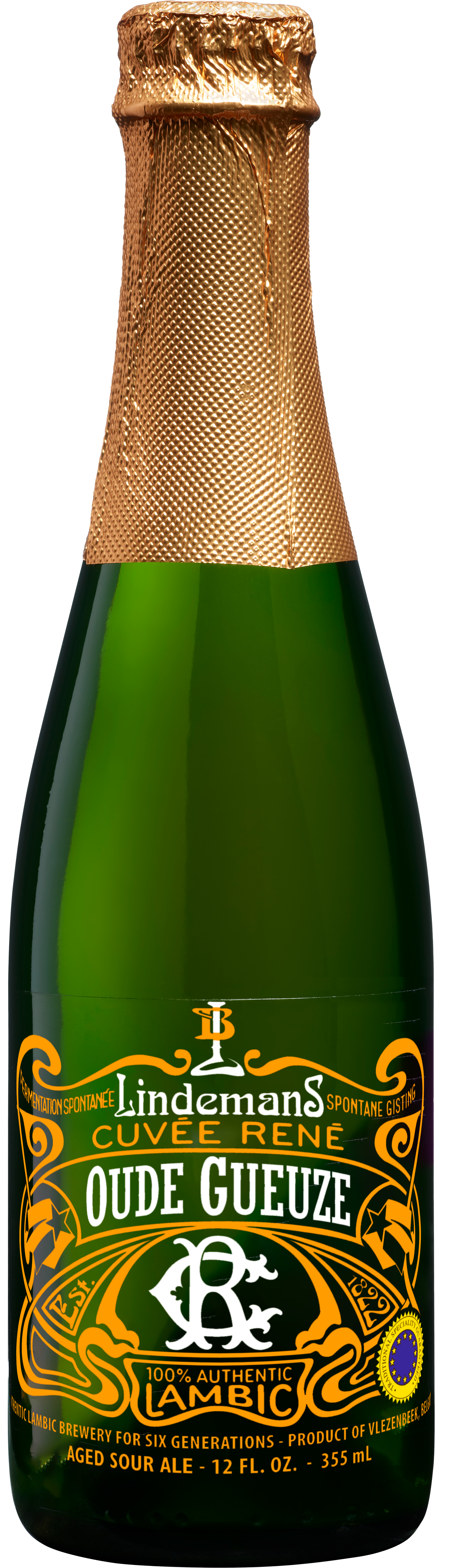
For gueuze, the base
lambic is blended to make a distinct, wine-like drink that is traditionally served with
the meal (a blend of 1/3 young lambic and 2/3 old lambic). Gueuze is known to mature
beautifully, and stories abound of discovering age-old gueuze lambics that had matured to
perfection.
Lindemans, which
originally made only traditional unfiltered gueuze, switched to the filtered version
because it is quicker to make. Realizing that there were almost no traditional gueuzes
being produced, Merchant du Vin convinced Rene Lindemans, Head Brewer, to discontinue the
filtered version and concentrate only on the finest traditional bottle-conditioned
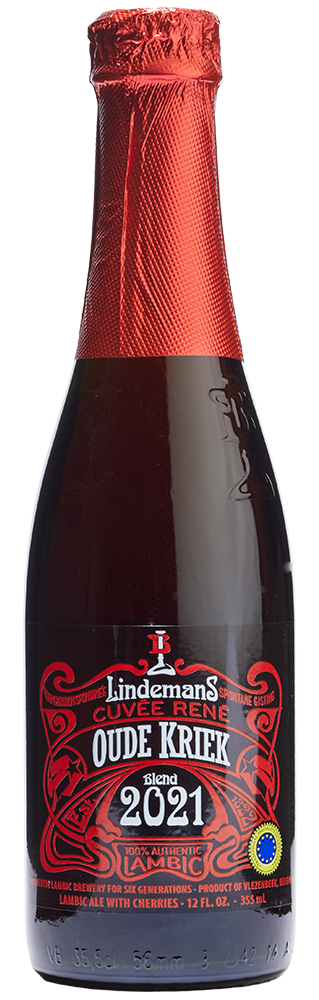
product. Cuvee Rene was born! It is a golden turbid wine-like beer that balances a malty
fruit and a complex yeasty acidity with exceptional finesse. Cuvee Rene is a blend of
lambics of various ages and is destined to be the standard by which gueuze is judged.
Fruit Lambics Simplified
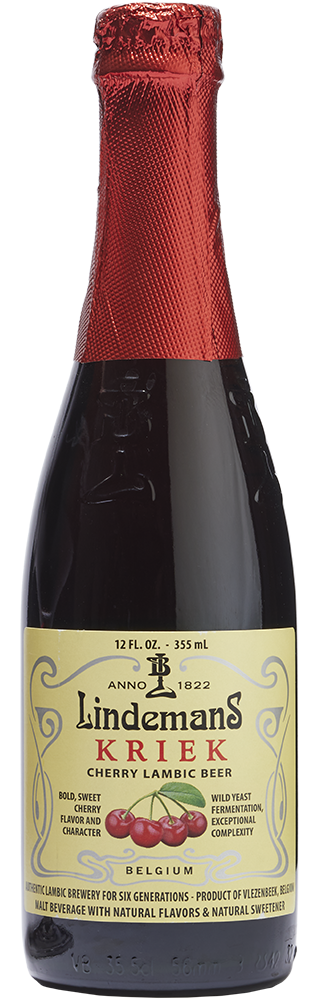
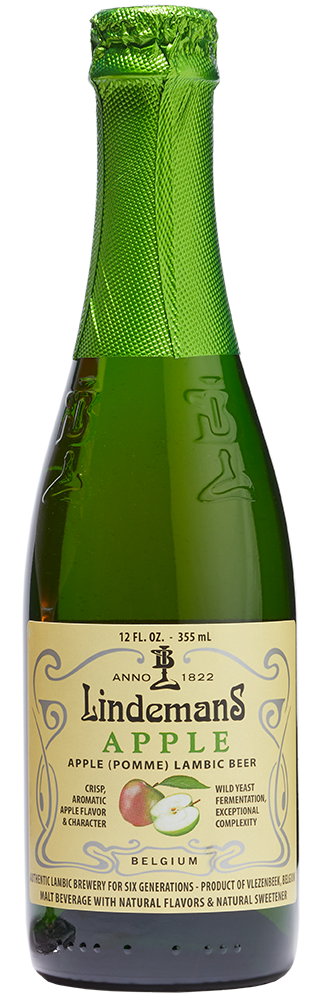
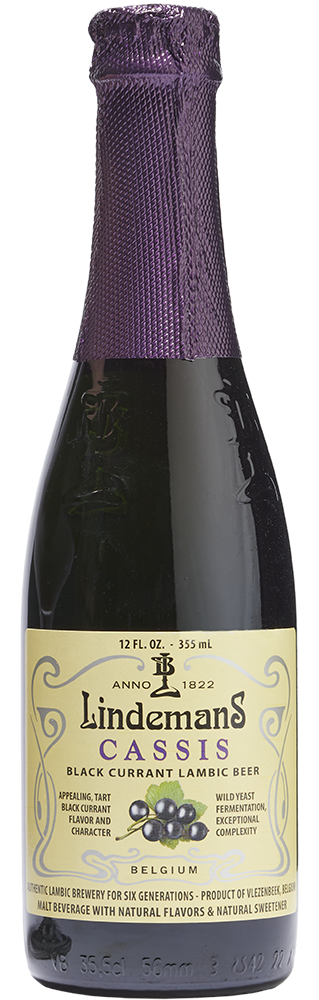
Nowadays lambic fruit
beers are extremely popular. The first fruit beers were made with sour cherries growing in
villages around Brussels. The most famous in Schaarbeek, which gave its name to the best
variety. In the 1930s different farm breweries restarted brewing kriek by adding crushed
cherries to young lambic in the casks
Artisanal lambic
breweries, such as Lindemans Farm Brewery, make their fruit beers by blending the lambic
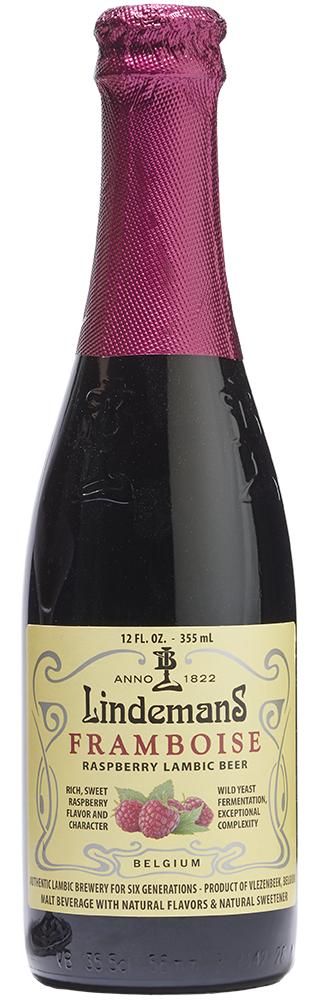
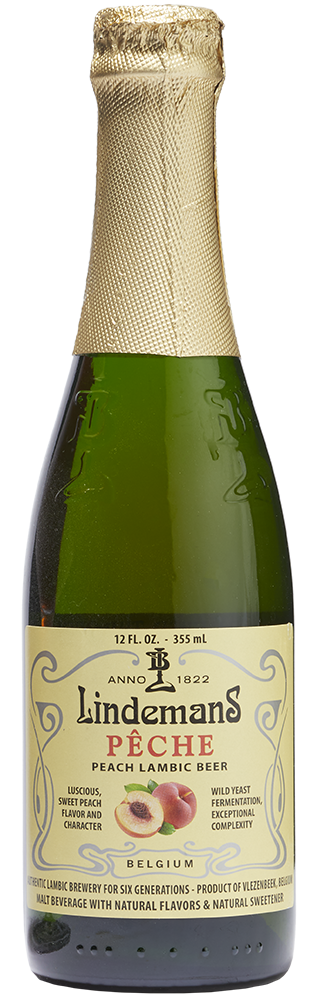
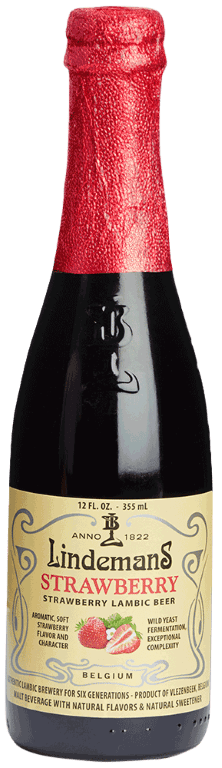
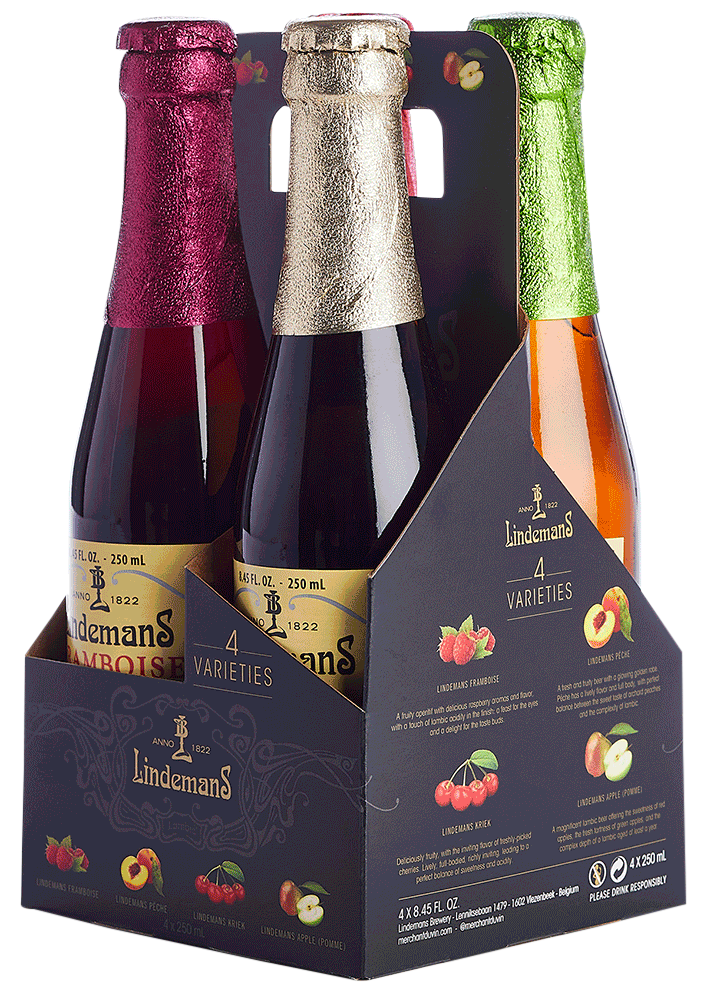
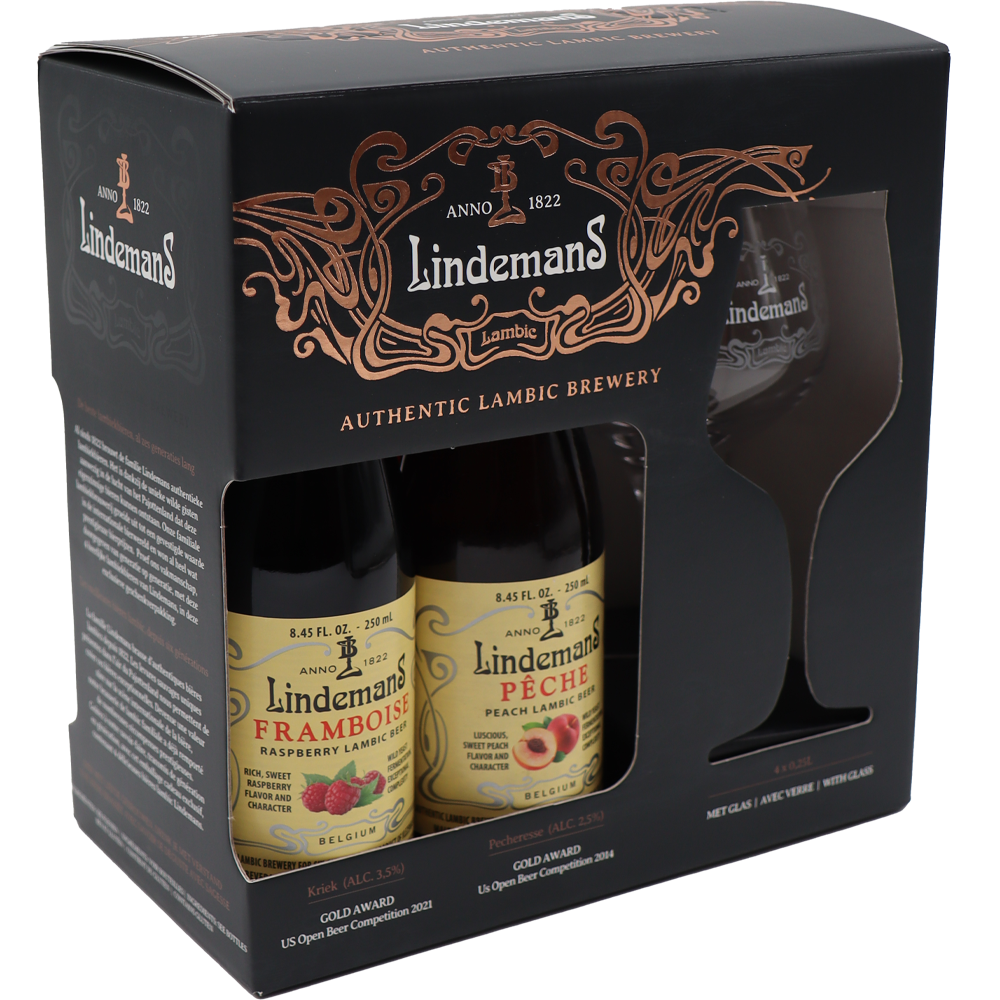
and fresh fruit before bottling producing Kriek (cherry), Framboise (raspberry), and
Pêche (peach). When the brewery makes Kriek, whole fresh cherries are added to the casks,
triggering a third fermentation and promoting a spritzy carbonation that gives the
finished beer a champagne-like character.

|